Stockholm in January: Where the Cold Means Business
Posted on January 30, 2026
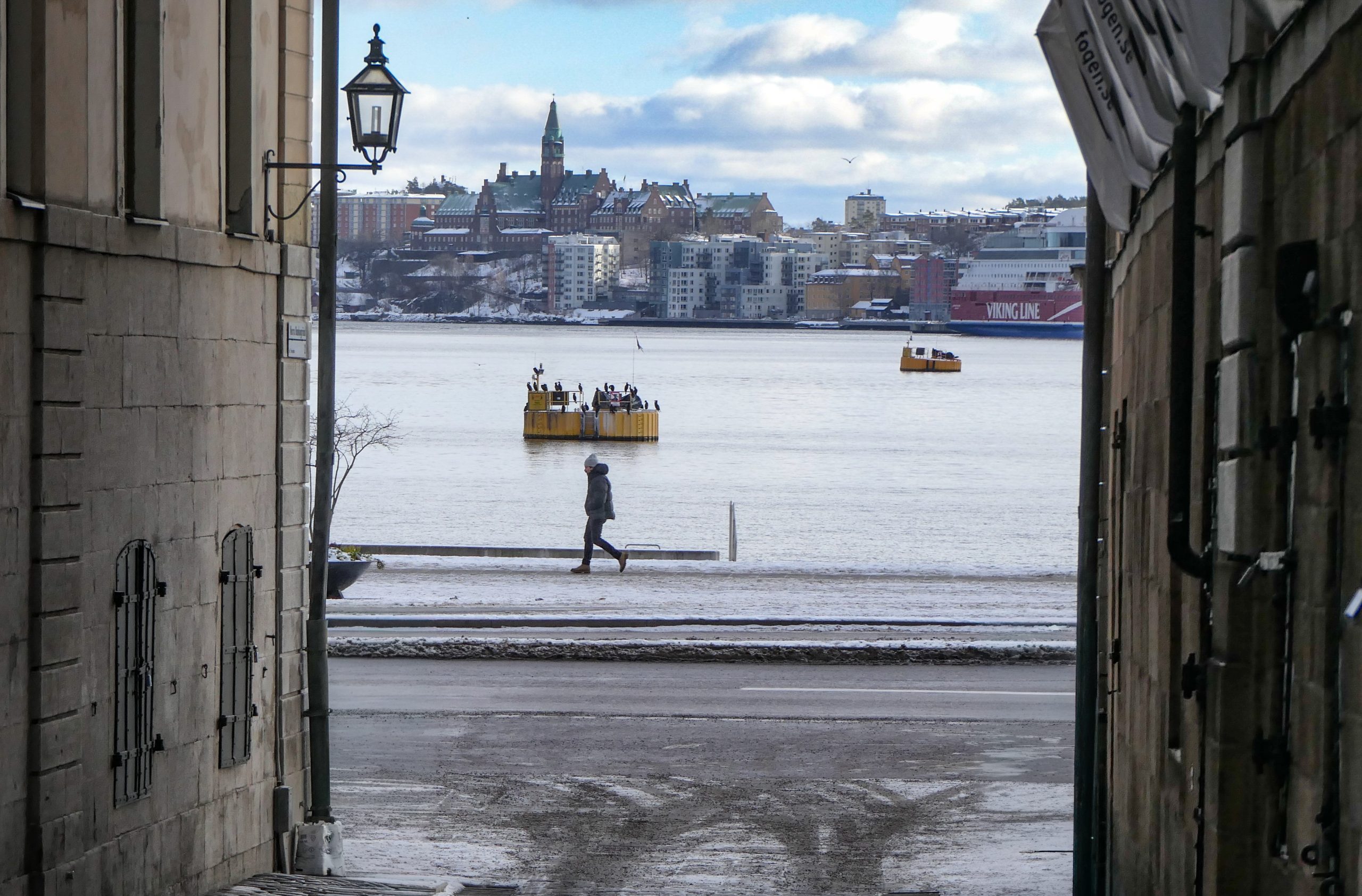
The first thing you notice when arriving in Stockholm in January is just how cold it is. Not “oh, I should’ve brought a thicker jumper” cold, but through-your-clothes, into-your-soul cold. The kind of cold that laughs at scarves. So if you’re visiting in winter, layer up. Then add another layer and you should be warm (ish).
That said, the cold does give the city a certain clarity. The air feels clean, sharp, and very Scandinavian. You don’t get that kind of air here very often.
Cobblestones, Candlelight and Costly Wine
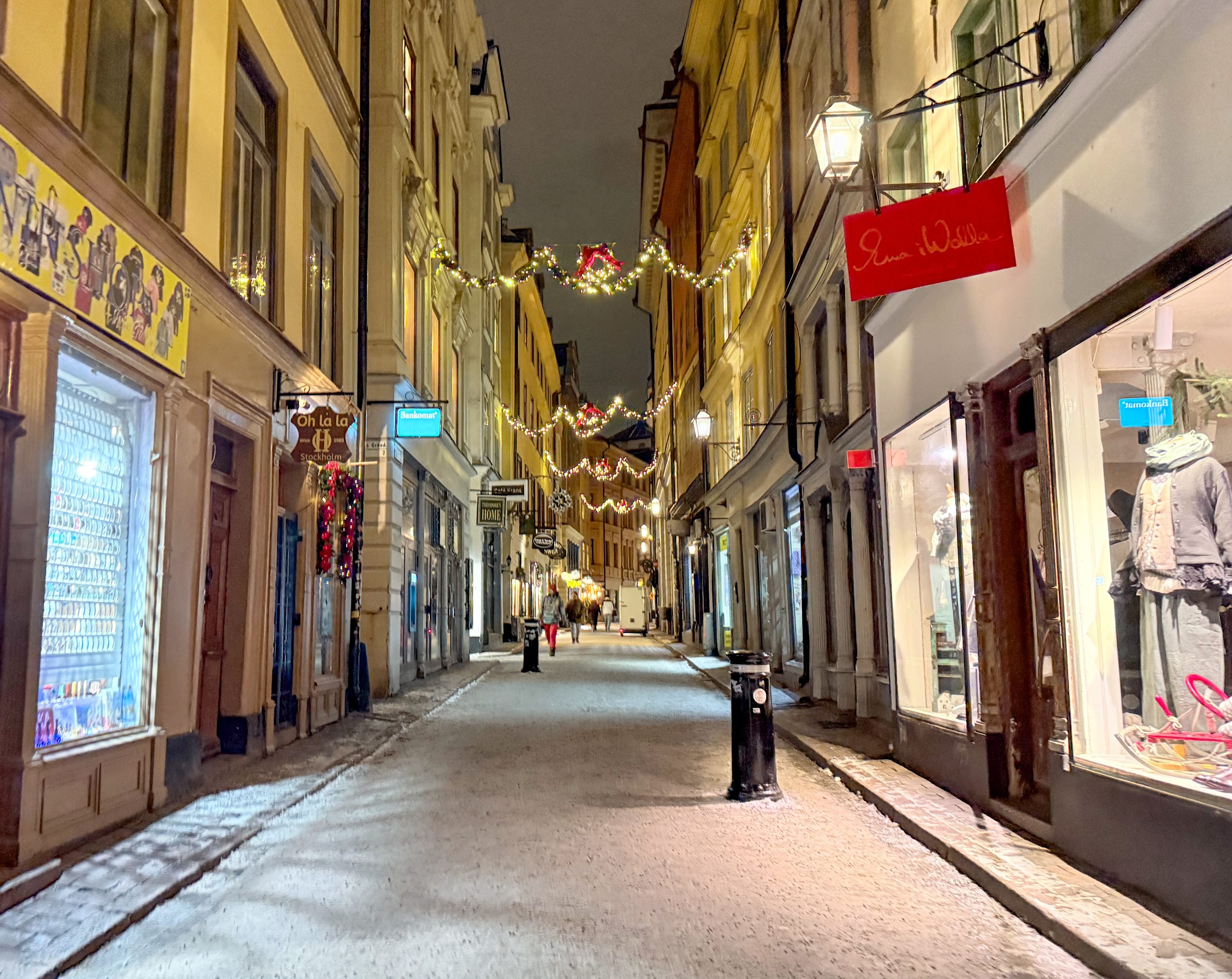
On our first evening we headed straight into the Old Town (Gamla Stan), and were struck by how wonderfully Christmassy it still felt. Narrow cobbled streets, softly glowing shop windows, warm light spilling out of bars and cafés, all dusted with a recent sprinkling of snow. If ever a place was designed for winter wandering, this is it.
The Old Town is packed with small bars and restaurants offering shelter from the Baltic chill and a warm welcome inside. After a pleasant meander and a nice meal we made a minor error of judgement, paying £40 for three glasses of wine in our hotel (The Elite, Adlon). A swift exit followed, and we soon landed in The Lobby, a lively bar where the same drinks cost around £20 and the atmosphere was far friendlier. Lesson learned.
Shipbuilding Hubris and a Very Wet Maiden Voyage

The next day was spent back pounding the Old Town streets before heading to the Vasa Museum. If you go to Stockholm, this is non-negotiable.
The Vasa is a spectacular tale of shipbuilding arrogance, engineering miscalculation and almost slapstick failure. Built in the 17th century as a symbol of Swedish naval power, it sank on its maiden voyage after sailing for roughly the length of two football pitches. Too many cannons, not enough ballast. Oops.
What makes it extraordinary is not just the failure, but the resurrection. After 333 years on the seabed, the ship was painstakingly raised, preserved, and now sits in a purpose-built museum, astonishingly intact. Walking around it, deck by deck, you can’t help but admire the craftsmanship while quietly wondering why nobody thought to ask, “Are we sure this will float?”
It’s a tremendous story, beautifully told.
Afterwards we took a tram back, freshened up, and hit the streets again, sampling a few bars along the way. One thing worth noting: outside the Old Town, restaurants are plentiful, but traditional pubs and bars are a little thinner on the ground.
A Train, a Bus, and a Perfect Small Town
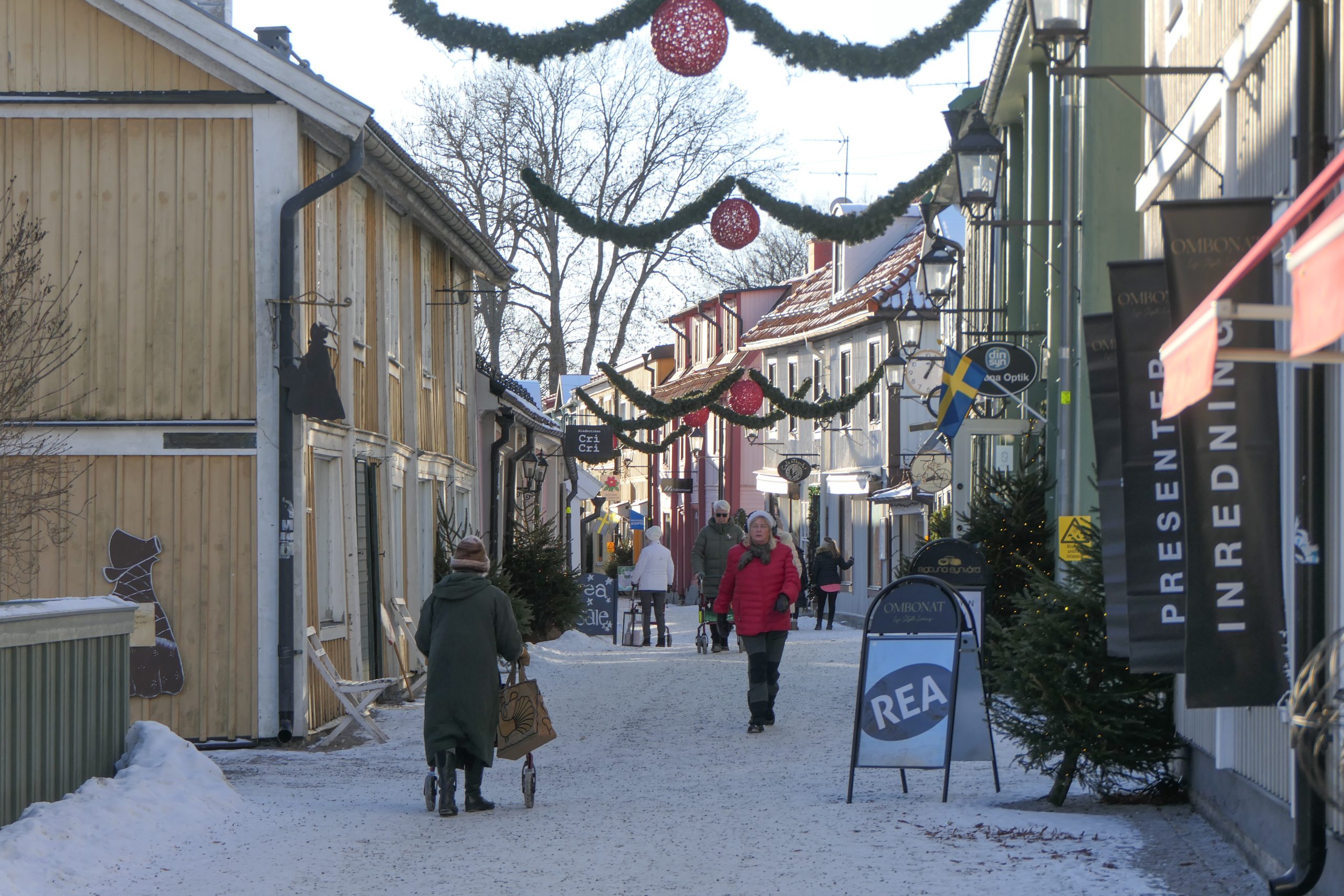
Wednesday brought a moment of inspiration from Jennifer, who suggested we take a train trip somewhere. Enter the wonderfully efficient Swedish transport system: train, then bus, and suddenly we were in Sigtuna.
Sitting on the shores of Lake Mälaren, Sigtuna is Sweden’s oldest continuously inhabited town, and under bright blue skies it was simply stunning. Pretty streets, cosy wooden houses, small cafés and bars, and ancient rune stones dotted around the town all gave it a timeless feel. It’s the sort of place that makes you wish it was Christmas again and Sigtuma was your destination.
Best of all, it was refreshingly un-touristy. We had homemade lasagne and red wine in Strandvillans Cafe for no more than you’d pay in England, which felt like a small miracle, especially after paying nearly the same for 3 wines in the only other place that was open. Sigtuna is easy to get to, beautifully calm, and absolutely worth the effort.
Meatball Mishaps and Farewell Drinks
Back in Stockholm that evening, we attempted to visit what we thought was a traditional meatball restaurant. It turned out to be a Chinese buffet-style affair. Perfectly edible, but not one I’d recommend seeking out, so I won’t bother.
We recovered with drinks in The Lobby bar, which by now felt like our friendly local, with the bar staff now treating us like new friends.
On our final day we walked again, clocking up yet more steps and indulging in some quality people-watching before saying goodbye to Harry, who was heading onward to Copenhagen. Even knowing I’m picking him up on Sunday, it still felt a bit emotional saying goodbye as we’d all had fun together.
Jennifer and I stopped at The Bishops Arms pub where she had meatballs (successfully this time) and I had chilli with salad, rice and sourdough. With two glasses of wine it came to £30. I think it is part of a small chain of cheaper pubs but fantastic if you are trying to avoid full whack open wallet surgery. Find me that in England.
From there it was back to The Lobby for a farewell vino and goodbyes to the barman. As we boarded the bus and drove through streets we’d walked so many times, I had that familiar sadness I get when leaving places I’ll probably never return to. Not because I didn’t like them, quite the opposite, but because there are always new places waiting.
Would I Recommend Stockholm?
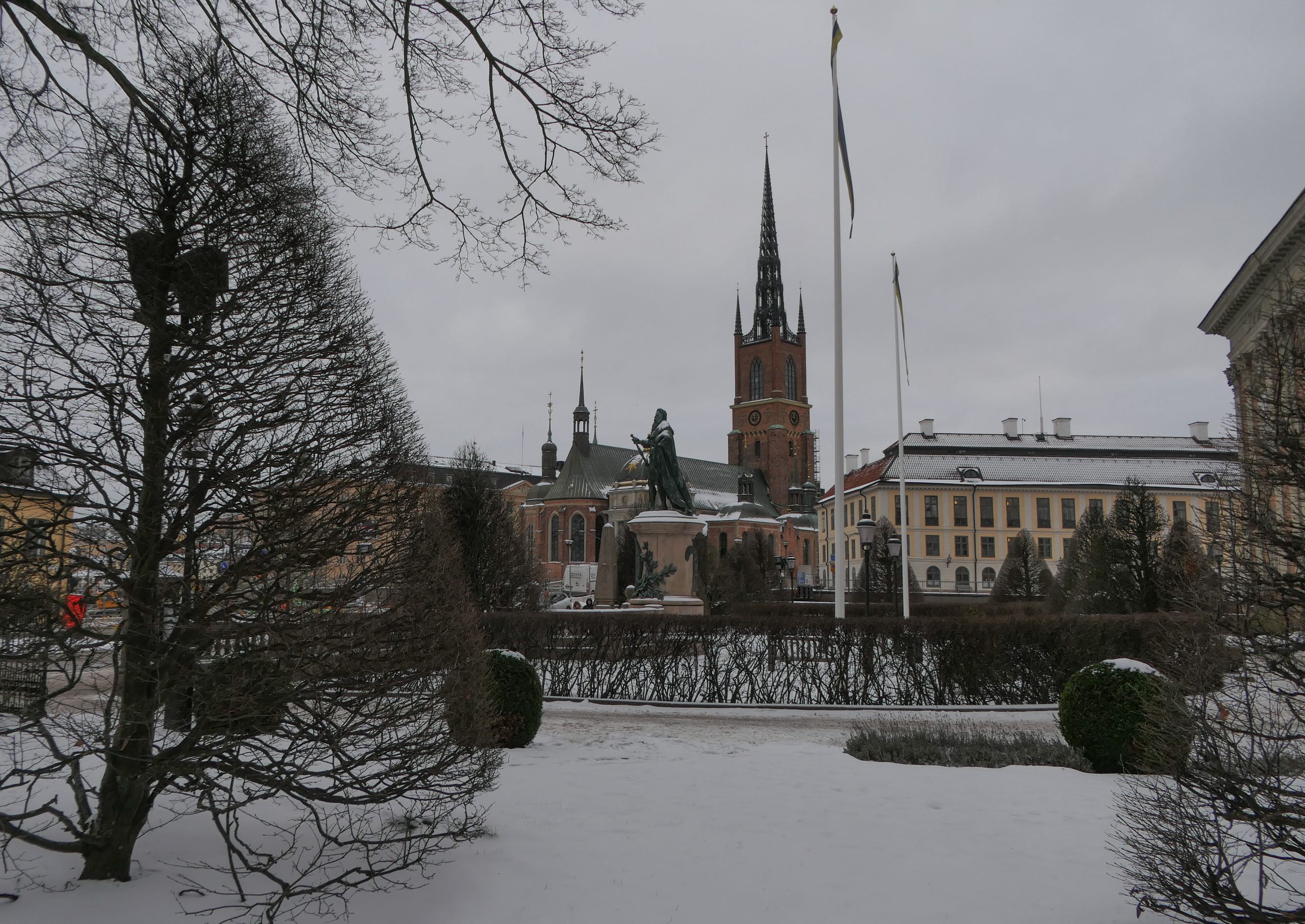
Yes, absolutely, with a small caveat. Do your research. The main shopping and commercial areas could be almost anywhere in Europe. One part even reminded me of Reading. Big towns and cities all have these big shiny malls and whilst I am sure they are handy, I don’t like them.
But step away from them and the Scandinavian magic returns in full force: icy rivers, snow-covered streets, warm cafés and bars, and genuinely kind receptions wherever you go, day or night. And surprisingly, it’s not as expensive as I feared, although you need to be careful. We got clobbered twice.
With Tallinn, Riga, Oslo, Helsinki and Stockholm now ticked off, I’m glad to have explored so much of Scandinavia and the Baltic. Still plenty more to see, though.
Got something to say?