Never Speak Ill of the Dead? What a Convenient Piece of Hypocrisy
Posted on July 13, 2026
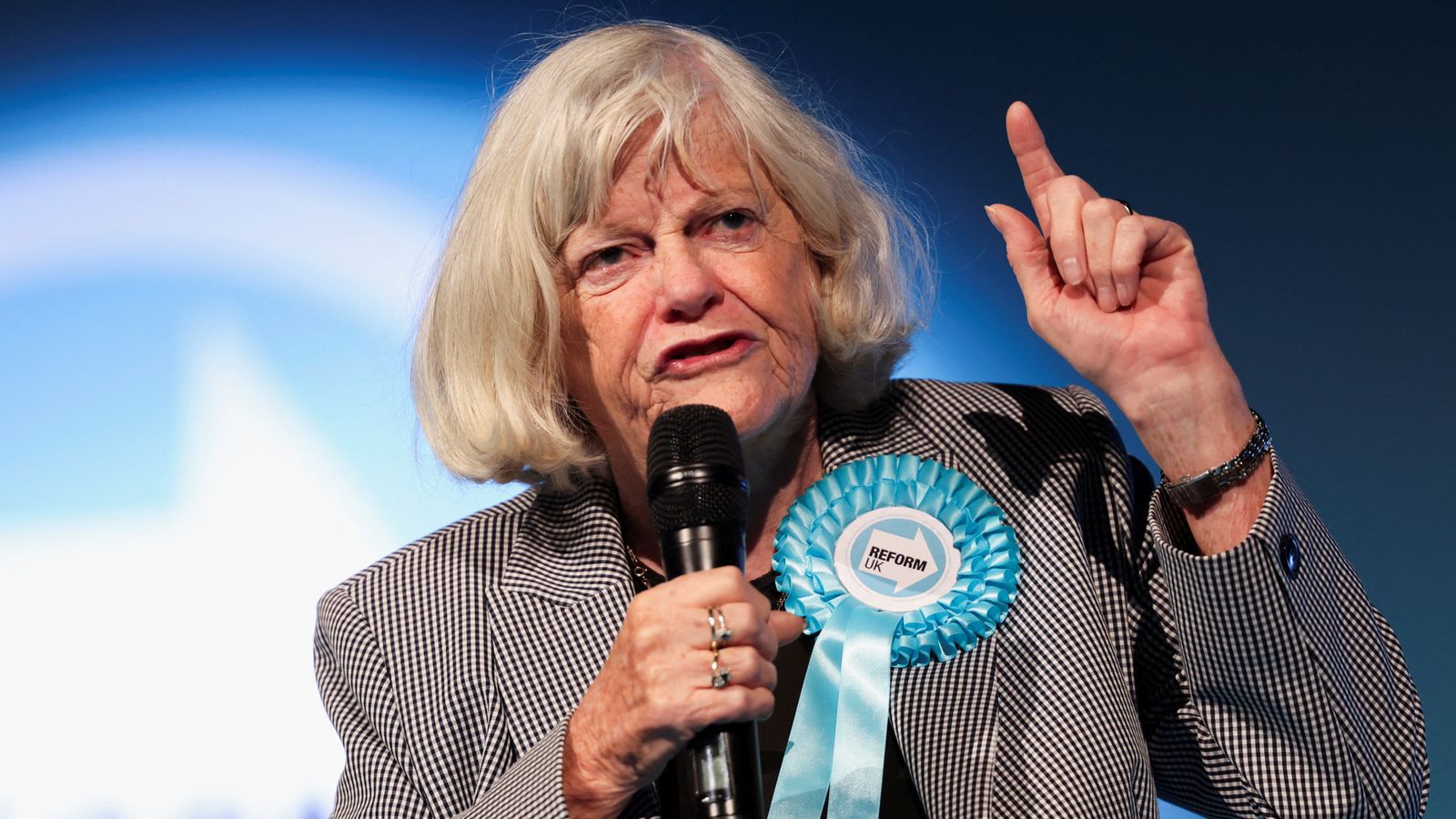
One of the oddest traditions we seem to cling to is the idea that the moment someone dies, they instantly become a wonderful human being.
Apparently, death is the greatest image consultant ever invented.
People who spent decades being rude, divisive, unpleasant or downright nasty suddenly become “colourful characters”, “straight talkers” and “larger than life”. It’s as though St Peter hands them a complimentary PR team on the way through the Pearly Gates.
I have never subscribed to the old saying, “Never speak ill of the dead.” Why not?
If someone was kind, generous and decent in life, say so. If they were brave, inspirational or selfless, absolutely celebrate them. But if they spent years making other people’s lives a misery or delighting in causing offence, why should death suddenly erase that?
It doesn’t.
The Great Personality Makeover
The recent death of Anne Widdecombe is a perfect example. Within hours, social media was awash with glowing tributes. You would have thought we’d lost the nation’s favourite grandmother rather than one of the most divisive politicians of recent decades.
To many people, Anne Widdecombe was not an eccentric spinster who occasionally ruffled a few feathers. She was a deeply unpleasant public figure whose politics increasingly revolved around telling minorities why they were wrong, immigrants why they were unwelcome and anyone with a differing opinion why they were morally inferior.
Her supporters called it conviction. whilst many others called it spite.
There is a difference.
By the end of her political career, even the Conservative Party had become an uncomfortable fit for her. She found a more welcoming audience in Reform UK, where the harder edges of her politics sat rather more comfortably than they did with the increasingly centrist Conservatives.
That doesn’t mean she deserved to die. Of course it doesn’t. Death is always sad for those left behind, and her family and friends deserve every sympathy. What it doesn’t deserve is historical revision.
Public Figures Don’t Become Saints
The same people who were calling her intolerant last week are now describing her as “a lovely lady”. Not because they’ve changed their minds, but because they think it somehow makes them look compassionate. It doesn’t really does it. It makes them look inconsistent.
I’ve always found this rush to sanctify the dead rather insulting to those who spent years on the receiving end of their words or actions. Imagine being told someone made your life miserable, only for the world to decide that because they’ve died, you’re expected to pretend none of it happened.
That isn’t respect, it’s selective amnesia.
Public figures spend their entire careers inviting judgement. They seek elections, television appearances, newspaper columns and social media attention. They actively choose to live in the court of public opinion.
Why should the verdict suddenly be withdrawn simply because they’ve died? Surely the most honest obituary is the one that acknowledges both sides. Say Anne Widdecombe was intelligent, fearless even. That no matter how warped she was, she stood by her beliefs.
Then also acknowledge that millions found those beliefs offensive, her manner abrasive and, in the eyes of many critics, her treatment of people unnecessarily cruel. All of those things can be true at the same time. They can, honestly, we are just told they are not.
Death Doesn’t Rewrite History
The strange thing is that we don’t apply this logic anywhere else. We don’t rewrite football results because a striker has died. We don’t pretend a terrible film suddenly deserved an Oscar because its director is no longer with us. Yet somehow personalities are given a complete refurbishment the moment an obituary appears.
The truth is simple. Death changes someone’s heartbeat, it doesn’t change their character. If we genuinely value honesty, then our opinions shouldn’t be dictated by whether someone happens to be alive on a Tuesday and dead by Wednesday. Why not remember people fairly.
And if that means admitting that some of them were every bit as unpleasant as you thought they were the week before they died, then perhaps that’s not disrespect. Perhaps that’s just honesty.
Widdicombe was a vindictive old bat.
Norman House
July 13, 2026 (1:55 pm)
Absolutely agree with all that.
I had Jeremy Vine TV show on this morning in the background while I was doing some other things, I rarely watch that, but some of the callers and the people on the programme were sick making in the throat. ‘What a lovely lady’ said one.
Vine said, and I paraphrase, ‘she was always game for a laugh and didn’t mind ridiculing herself.’ The ridiculing should have been for her bigotry and demeaning of minority groups.
Her murder was heinous, as would anyone’s be, but let’s leave out the revisionist stuff.